HRC
Human Rights Council
Stopping human rights abuses in green energy supply chains
Information
Committee Overview & Agenda
The United Nations Human Rights Council is an intergovernmental body within the United Nations system made up of 47 states responsible for the promotion and protection of all human rights around the globe. It has the ability to discuss all human rights issues and situations that require its attention throughout the year.
As the world races toward a clean future, a dark cost is buried beneath the very ground that promises to save us. The minerals powering our clean energy future are extracted at devastating human cost.
The United Nations Human Rights Council will convene to examine the hidden toll of the global green energy transition. It is a crisis in which the pursuit of climate progress collides with the rights and dignity of vulnerable communities.
The stakes are high. The cobalt mines of the Democratic Republic of the Congo, for example, are tainted by child labor and hazardous conditions, and the drought-stricken lands of South America's Lithium Triangle, where indigenous communities watch their water vanish into foreign supply chains, Both, as well as other, similar conditions, reveal an uncomfortable truth about the cost of clean energy. Delegates will be tasked with confronting the practices of powerful corporations and consuming nations as well as crafting solutions that neither halt climate progress nor sacrifice the rights of those who bear its burden. The path forward must reconcile environmental urgency with human dignity. The choices made in this committee will shape whether the green revolution becomes a story of justice or exploitation.
As the world progresses towards the utilization of ‘clean energy’ in an attempt to combat the ever looming threat of global warming and climate change, the workers in the supply chains for the production of such energy are plagued by severe human rights violations. The ever growing demand for critical minerals, in this case lithium, cobalt, copper and more, has caused worldwide labor exploitation, including child labour, hazardous working conditions and more. Further issues like water depletion, toxic pollution and more impact local ecosystems, harm indigenous communities and contribute to the very crisis the clean energy movement was created to mitigate. The UNHRC will convene in order to establish a rights based framework, working to enforce transparency in the nature of supply chains, and ensure that advancements in clean energy do not come at the cost of human rights and dignity.
Leadership
Executive Board
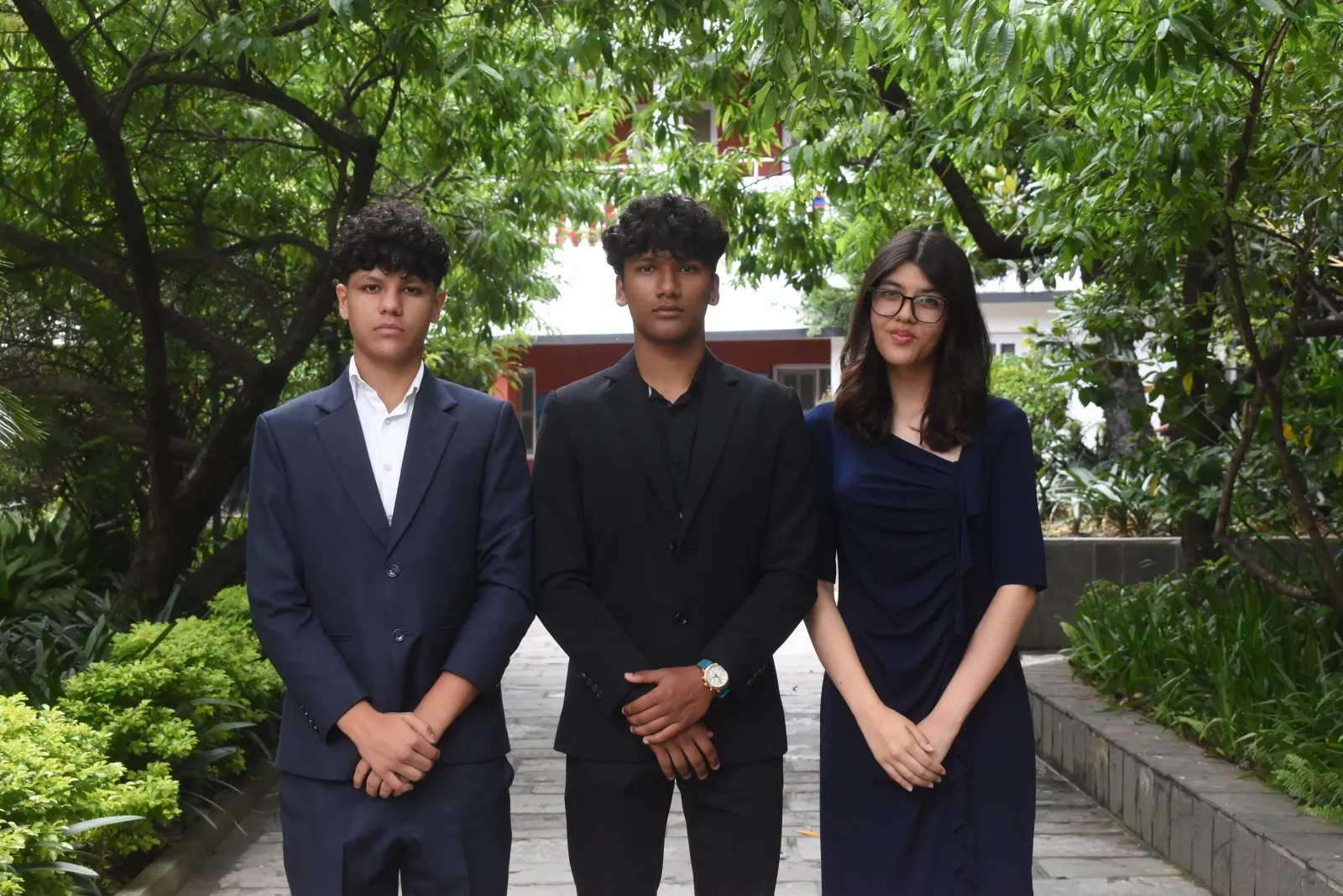

Tejus Banskota
Chair

Ashma Khadka
Vice Chair

Anshuman KC
Moderator