
ICJ
International Court of Justice
USA–ISRAEL (APPLICANT) v. ISLAMIC REPUBLIC OF IRAN (RESPONDENT) Preventive War vs Self-Defence: Interpretation of Article 51 of the UN Charter
Information
Committee Overview & Agenda
The International Court of Justice is an exacting and doctrinally foundational committee which positions delegates at the center of the most volatile debates in modern international law. Anchored in treaty interpretation and judicial rigor, this committee forces delegates to grapple with state sovereignty, asymmetric warfare, and evolving definitions of aggression. It grants advocates and judges the ultimate authority to interpret the UN Charter and reshape the limits of national defense. Delegates will become elite legal minds capable of balancing state survival, military necessity, and a rules-based international order in the face of modern security threats that have long outsmarted classical legal definitions and challenged the post-WWII framework from within.
This committee favors rigorous jurisprudence over diplomatic compromise and stresses international customary law over political alignments. Delegates craft arguments and opinions which are textually grounded, legally actionable, and precedent-focused, drawing inspiration from historical legal legacies including the Caroline criteria and the Nicaragua precedent. From reframing the threshold of an armed attack to protecting sovereign borders against proxy conflicts, the International Court of Justice invites delegates to determine the future of global conflict and accountability by the law and for the world.
After the Iranian Revolution in 1979, US policy toward Iran shifted from strategic alignment with the Shah to containment and conflict management. Israel’s long running concerns regarding Iran’s nuclear weapons programmes and regional influence helped drive its escalatory means of pressuring the Iranian state, often in tandem with the US, through various means of diplomacy, sanctions policy, intelligence, covert action and, at times, the direct use of force.
The conflict’s legal relevance for ICJ mainly arises because many key disputes were framed around the international legality of: the use of force, state responsibility for wrongful acts, economic coercion through sanctions, and compliance with, or denounced breaches of, treaty obligations, especially through the US–Iran treaty litigation at the ICJ.
Leadership
Executive Board
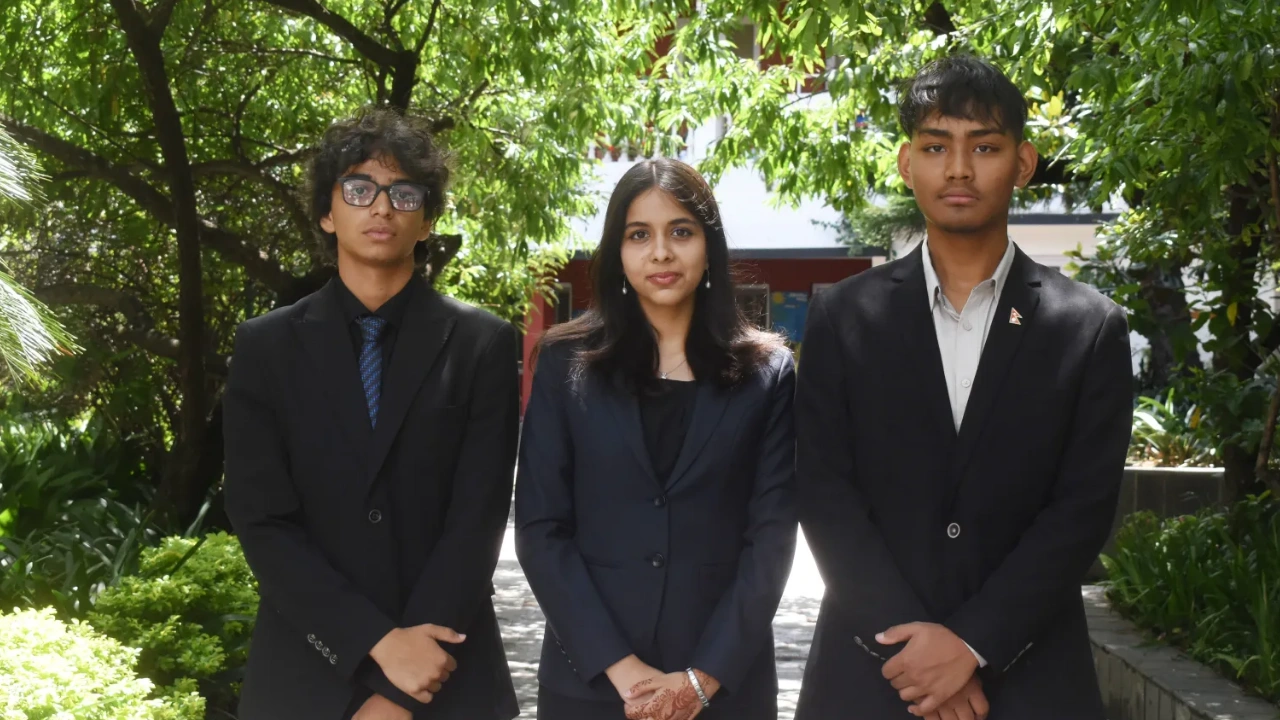

Swarnika Pokharel
Chair
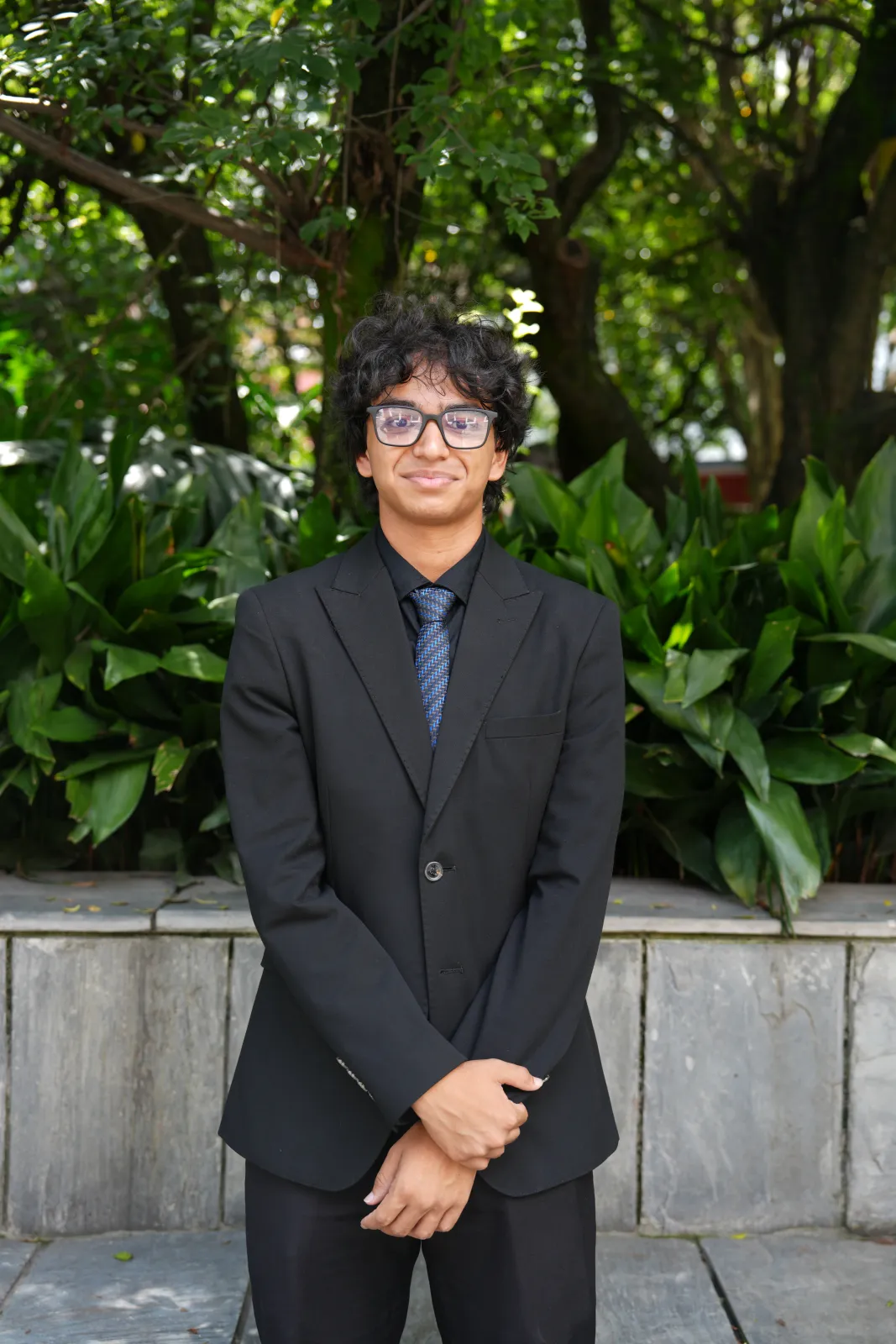
Siddhartha Acharya
Vice Chair
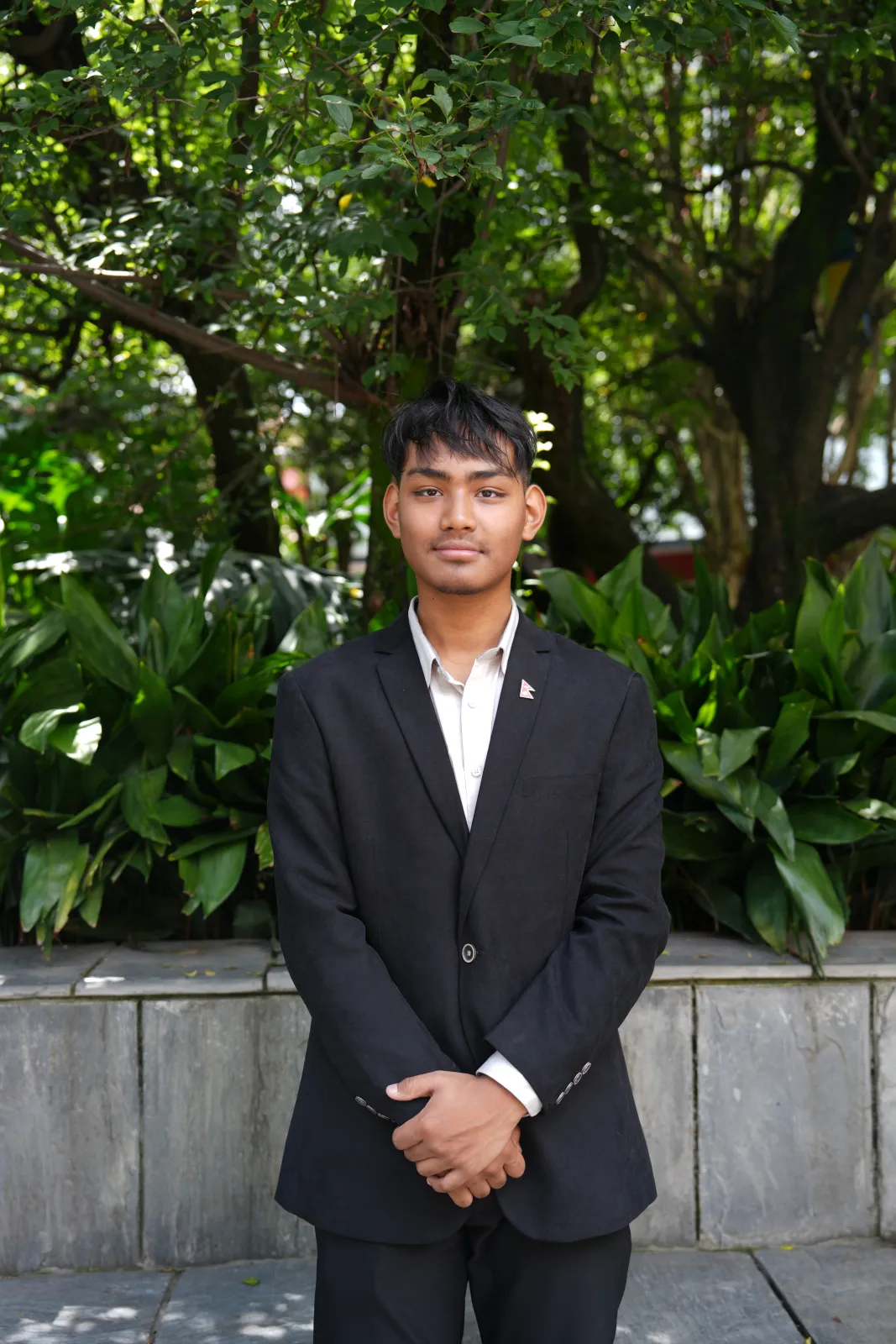
Aarav Mangal Joshi
Moderator