IRC
The Imperial Romanov Court
Preserving the Russian Empire Amidst Internal and External Crisis
Information
Committee Overview & Agenda
The Romanov court was the imperial court of Russia during the House of Romanov, the dynasty that ruled Russia for 303 years from 1613 until the February Revolution of 1917. The committee will represent the tsar, grand dukes and duchesses, boyars, court officials, Orthodox Church leaders, military commanders, and foreign ambassadors as they try to navigate the complexity of absolute monarchy from the dynasty’s founding after the Time of Trouble under Michael I to its collapse during the February Revolution of 1917 under Nicholas II, the last Russian monarch usurped by the revolution).
The Romanov court served as the center of government and power for the Russian Empire, with several key functions. These included the tsar, who made all major political, military, and diplomatic decisions. Court officials managed the vast civil service, including taxation, performing rituals and ceremonies that reinforced the Tsar’s divine right to rule, and acting directly as Russia’s military command during wars. The delegates in the committee will represent historical figures and discuss major political decisions such as reforming versus maintaining absolute autocracy, Russia’s WWI military defeat, any response to strikes, food shortages and revolutionary movements and will respond to any crisis updates to determine the fate of the Romanov Dynasty.
The years 1916 and 1917 were a tipping point for the Russian Empire and the Romanov dynasty. Nicholas II's autocratic rule was out of touch with the needs of the people. The limited measures taken after the first Russian revolution of 1905 were ineffective. The Russian involvement in WWI created an even more disastrous situation characterized by military defeats, an economy in shambles, and a deficit of food and other basic needs. The Tsar's decision to head the army in 1915 caused the people to blame the defeats on the monarchy.
Further decreasing confidence in the government was Tsar Nicholas II’s refusal to cooperate with the State Duma and his dismissal of reform proposals. His isolation and the Crown’s refusal to implement reforms decayed what support the court had from the elites and the public and strengthened radical opposition. The combination of economic crises, food shortages, and political stagnation in 1917 placed the imperial state on the brink of revolution and collapse and jeopardized the stability of the Romanov dynasty.
Leadership
Executive Board
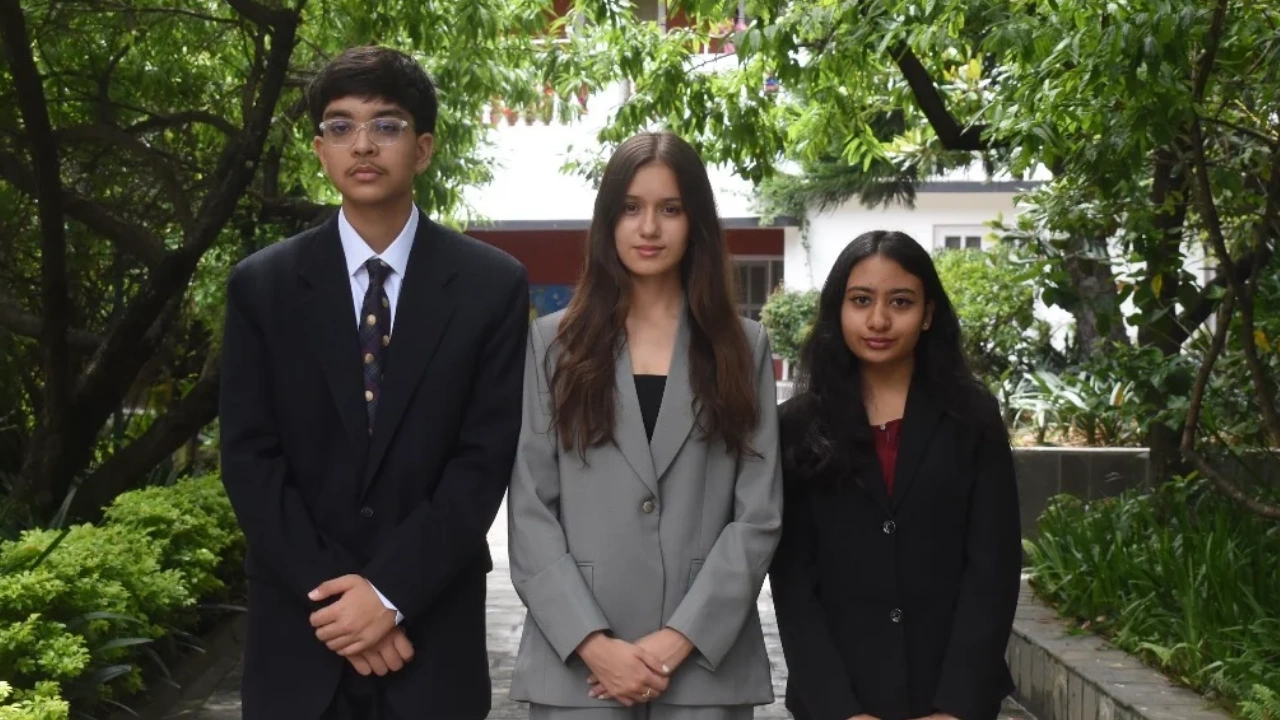

Yamini Koirala
Chair

Aadhaar Dev Pant
Vice Chair

Aadya Deepak Dutta
Moderator