
SOCHUM
Social, Humanitarian, and Cultural Committee
Addressing the security and humanitarian issues posed by illegal migration networks (Dunki Routes) across Asia, Europe and North America
Information
Committee Overview & Agenda
The Social, Humanitarian, and Cultural Committee (SOCHUM) is the Third Committee of the United Nations General Assembly. Its mandate encompasses human rights, social development, humanitarian affairs, and the protection of vulnerable populations. SOCHUM tackles the problems associated with the empowerment of women and children, the integration of refugees, and the eradication of systemic discrimination targeting race and ethnicity. In addition, it focuses on youth empowerment, family welfare, ageing populations, disability rights, crime prevention, criminal justice, and international drug control.
At RBSMUN2026, SOCHUM will address the urgent humanitarian and security crises posed by illegal migration networks (“dunki [donkey] routes”) across Asia, Europe, and North America. It will discuss the perilous conditions faced by migrants in transit and craft cogent and collaborative solutions that include dismantling trafficking networks, reducing reliance on smugglers, improving humanitarian aid, and elevating policies that uphold human rights and dignity.
Dunki routes are illegal migration routes where people travel through multiple countries to reach their final destination without following legal immigration procedures. These journeys often involve agents or smugglers, leaving migrants vulnerable to exploitation, trafficking, and unsafe conditions. At the same time, these routes create security concerns by making border monitoring more difficult and enabling various criminal networks. This makes dunki migration both a humanitarian and security issue. The issue is especially important across Asia, Europe, and North America, where migration routes cross several borders. Countries need to cooperate to identify and disrupt these networks while also protecting the vulnerable migrants.
Leadership
Executive Board
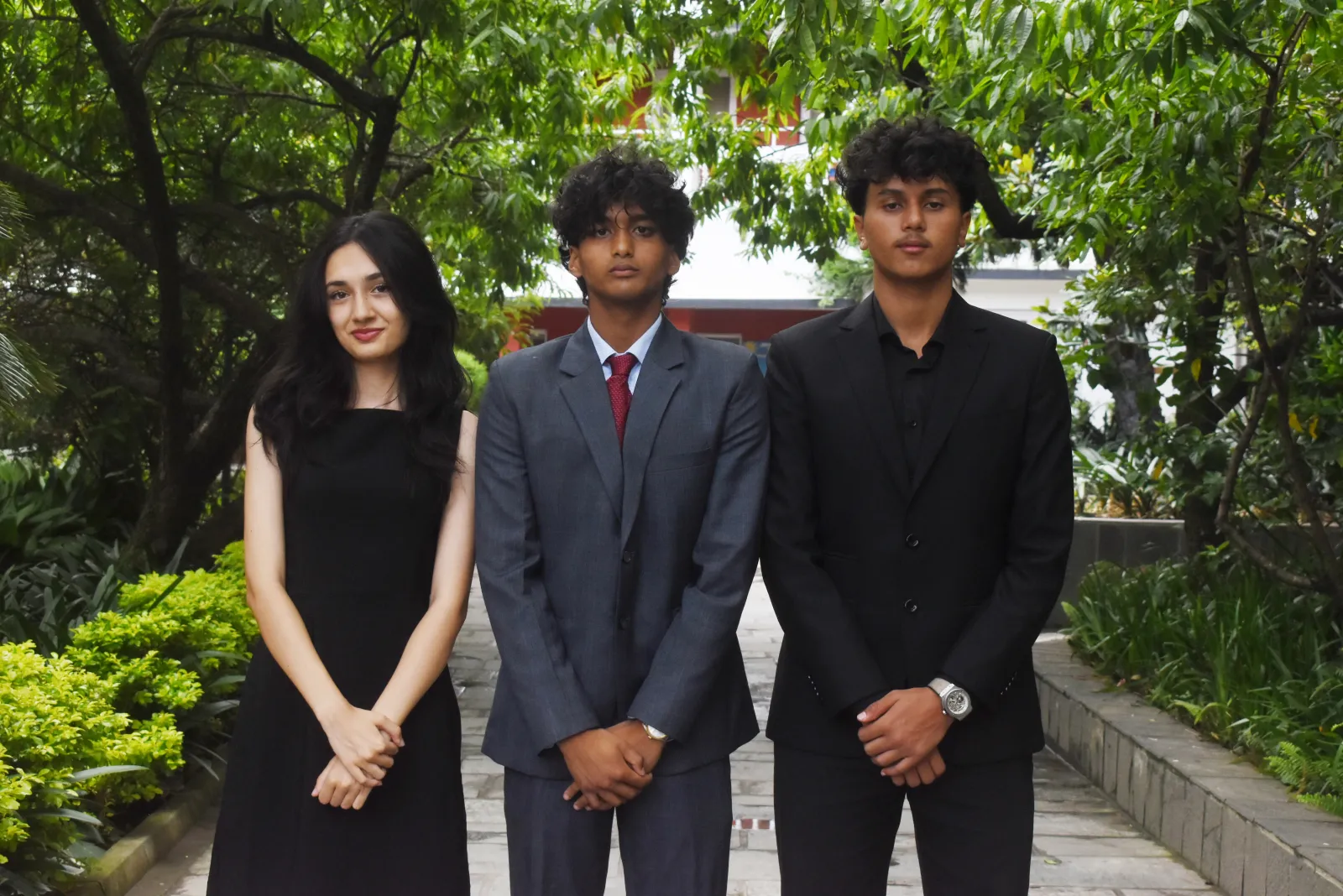
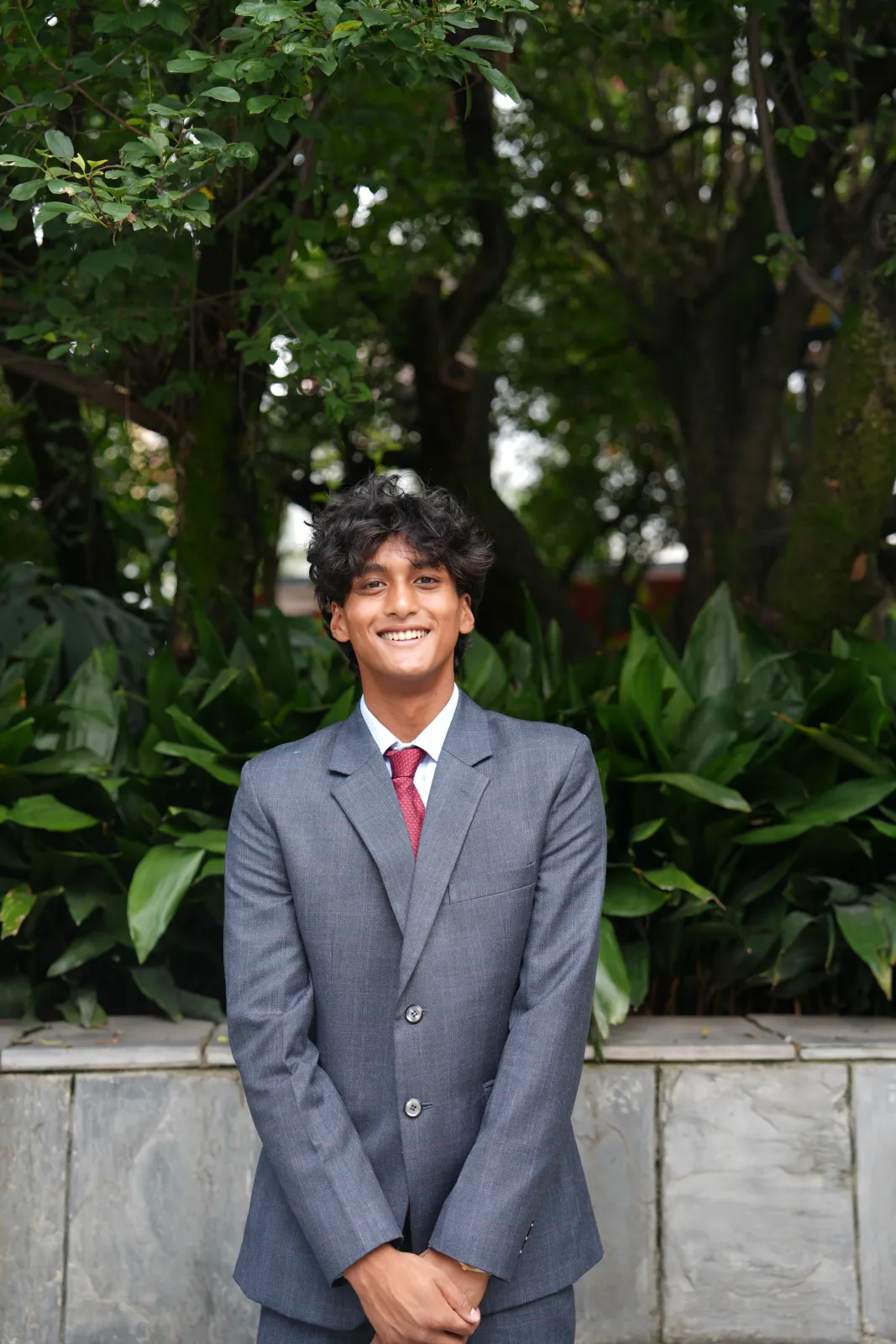
Naman Man Singh Pradhan
Chair

Sarahana Goutam
Vice Chair
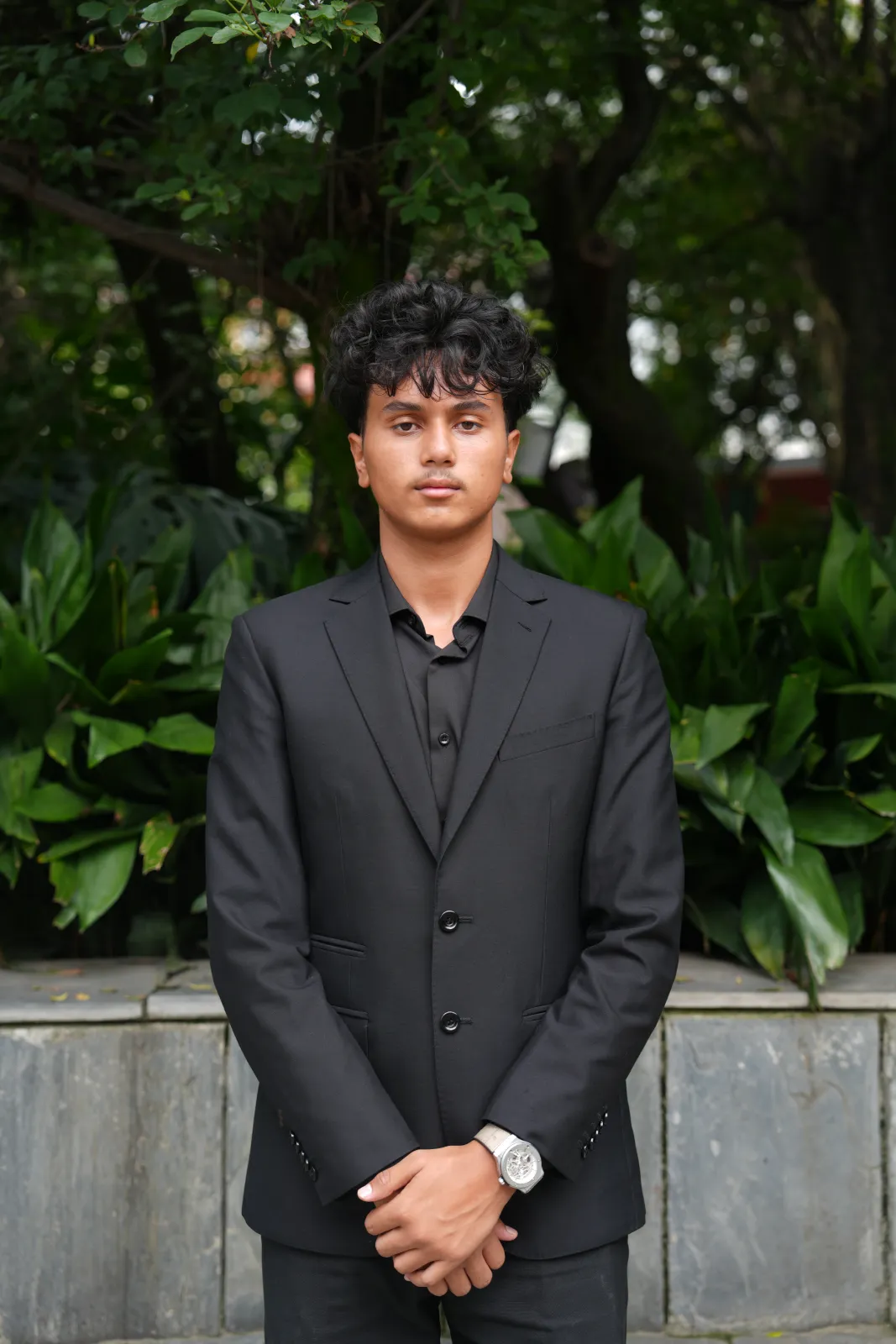
Kapil Saud
Moderator