
WHO
World Health Organization
The Commercialization of Human Longevity — Whether WHO Has the Mandate to Regulate the Emerging Anti-Aging Therapeutics Industry Before It Creates a Two-Tiered Global Lifespan Divided Entirely by Wealth
Information
Committee Overview & Agenda
As science continues to redefine the limits of medicine, humanity stands at the threshold of a new era. Breakthroughs in longevity research and anti-ageing therapeutics promise the possibility of longer, healthier lives, but they also bring difficult questions that cannot be answered by science alone. If these innovations become accessible only to those with the means to afford them, the richest 5%, the world may face a future in which the quantity and quality of life itself are measured by wealth rather than equality. As hope and uncertainty go hand in hand, this issue extends far beyond healthcare; it becomes a question of global justice.
The World Health Organisation Committee for RBSMUN XXI will convene to examine this rapidly evolving global issue. As the international body entrusted with promoting health for all, the WHO finds itself at the centre of a debate that blends scientific innovation with ethics, law, and public policy. Delegates will explore whether the organisation possesses the mandate to guide or regulate the emerging anti-ageing therapeutics industry while at the same time considering how global cooperation can ensure that medical progress benefits humanity as a whole.
The stakes are profound: medical innovation, healthcare accessibility, economic disparity, and international responsibility converge in a debate that could shape the future of global health. Delegates will be challenged to balance scientific advancement with equitable access, encourage innovation while at the same time safeguarding human rights, and determine the role of the World Health Organisation in addressing one of the defining challenges of the twenty-first century. The decisions made in this committee may influence not only the future of healthcare governance but also whether the promise of longer, healthier lives becomes a shared achievement or remains a privilege enjoyed by only a select few.
The longevity industry has moved from speculative science to serious capital; biotech, AI, and precision medicine are converging to make "slowing ageing" a viable commercial product, not just a research goal. Investment is pouring in from pharma giants, venture capital, and tech billionaires betting on extended, healthier human lifespans. Yet beneath the promise lies a governance vacuum: no global body has clearly claimed the authority to regulate who gets access to these breakthroughs. This committee asks whether the WHO can, or should, step into that vacuum before the world splits into two demographics: those who age, and those who can afford not to. At stake is nothing less than the future shape of human mortality itself, and who gets to write its rules.
Leadership
Executive Board
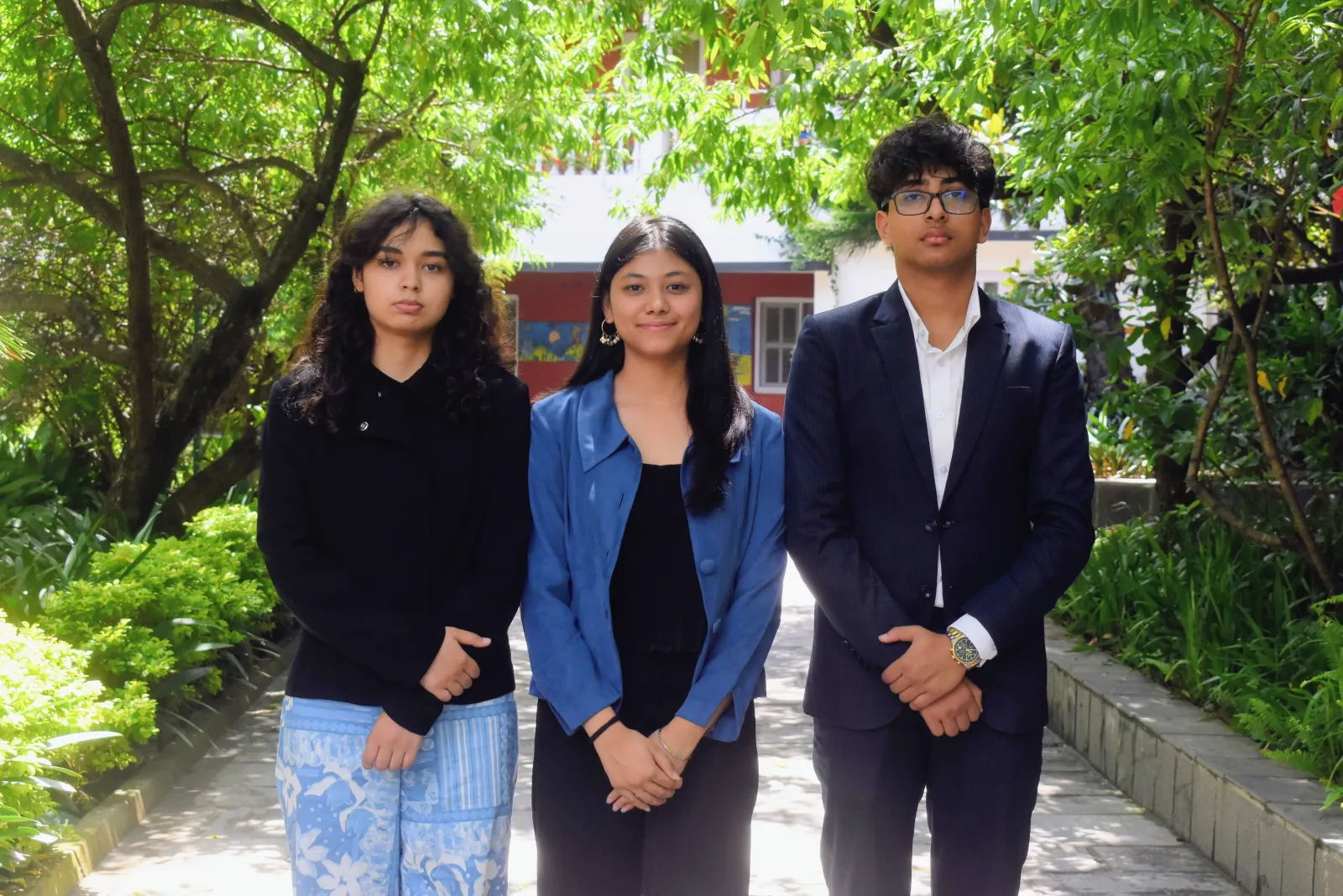
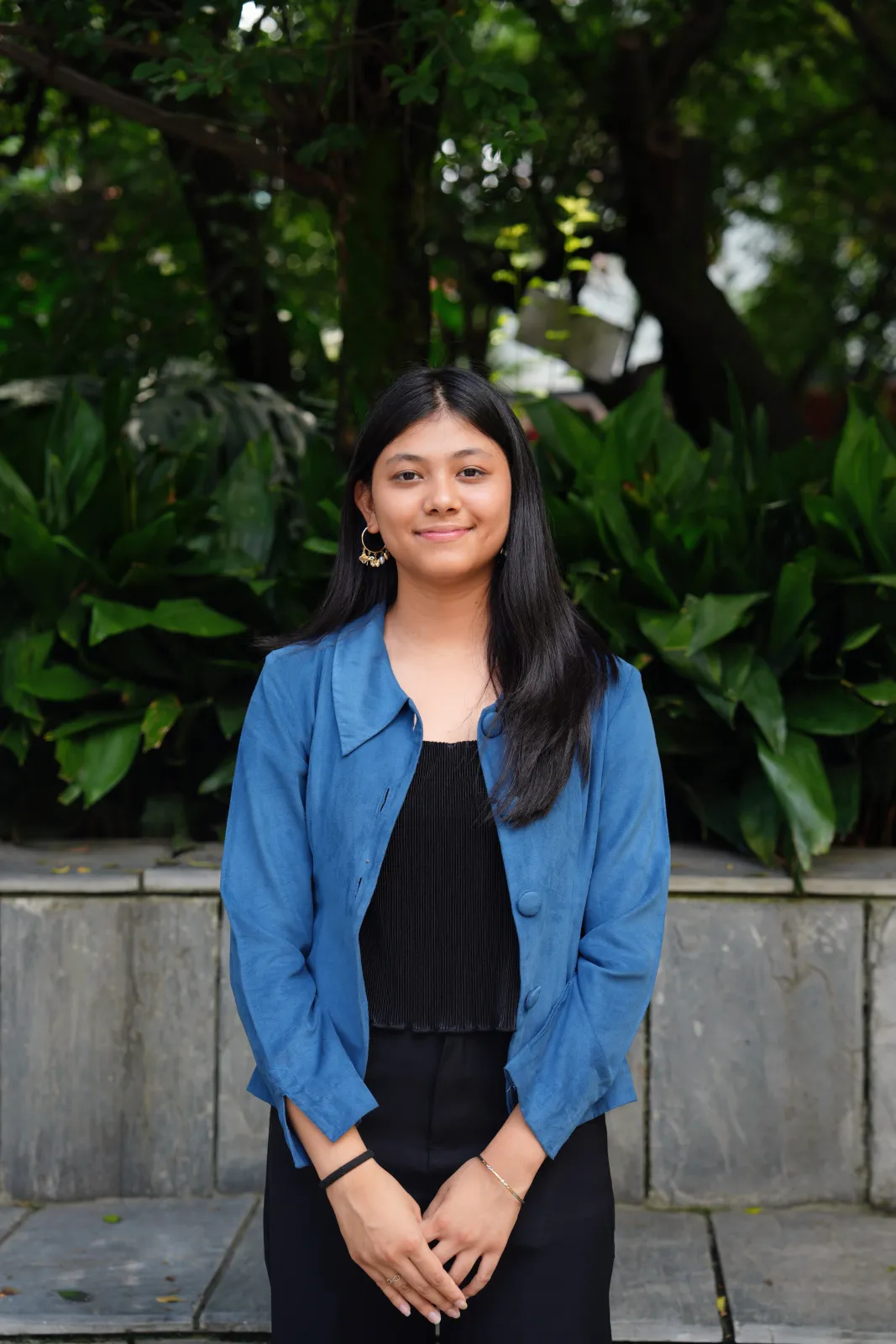
Anwesha Pradhan
Chair
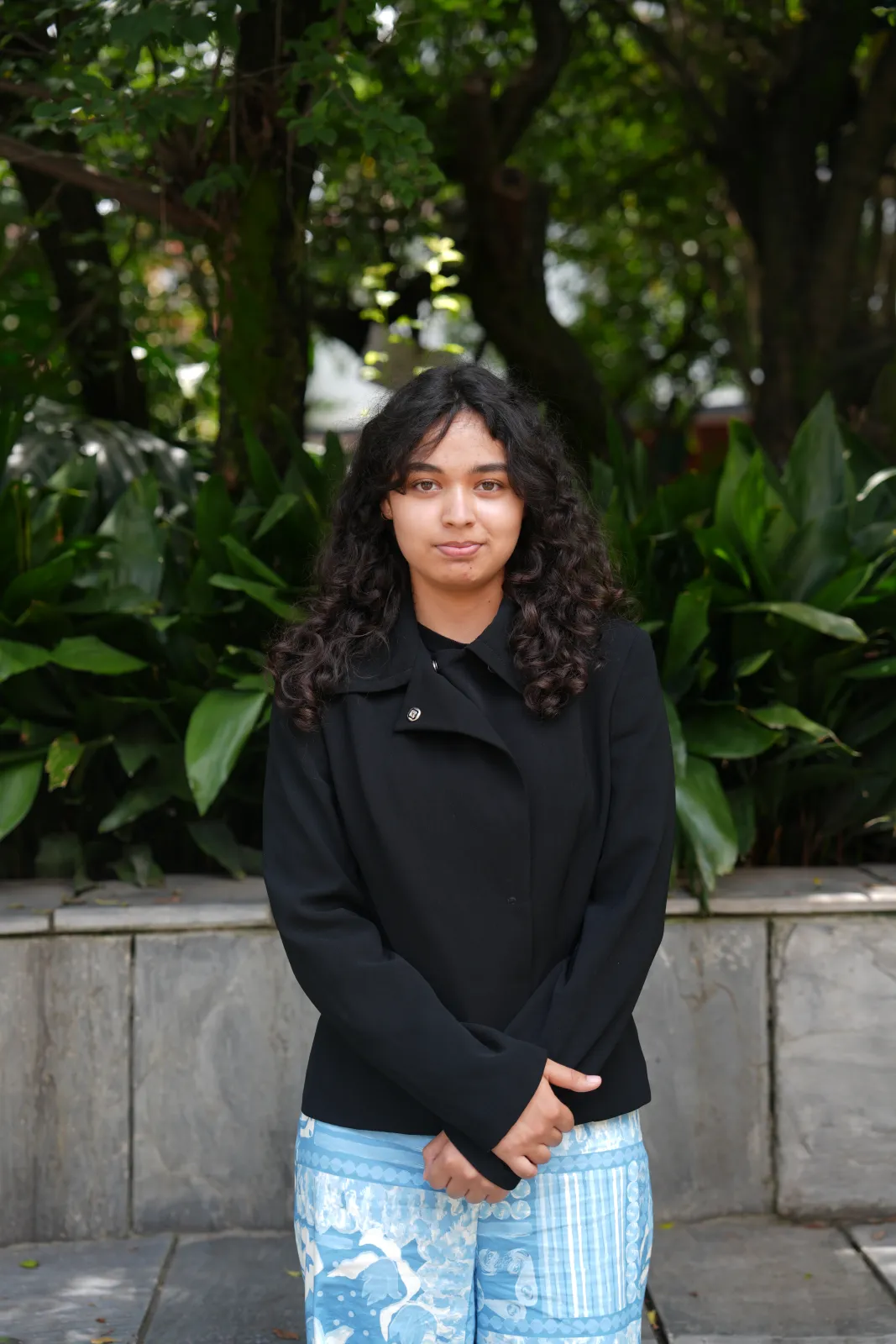
Naabim Prasai
Vice Chair
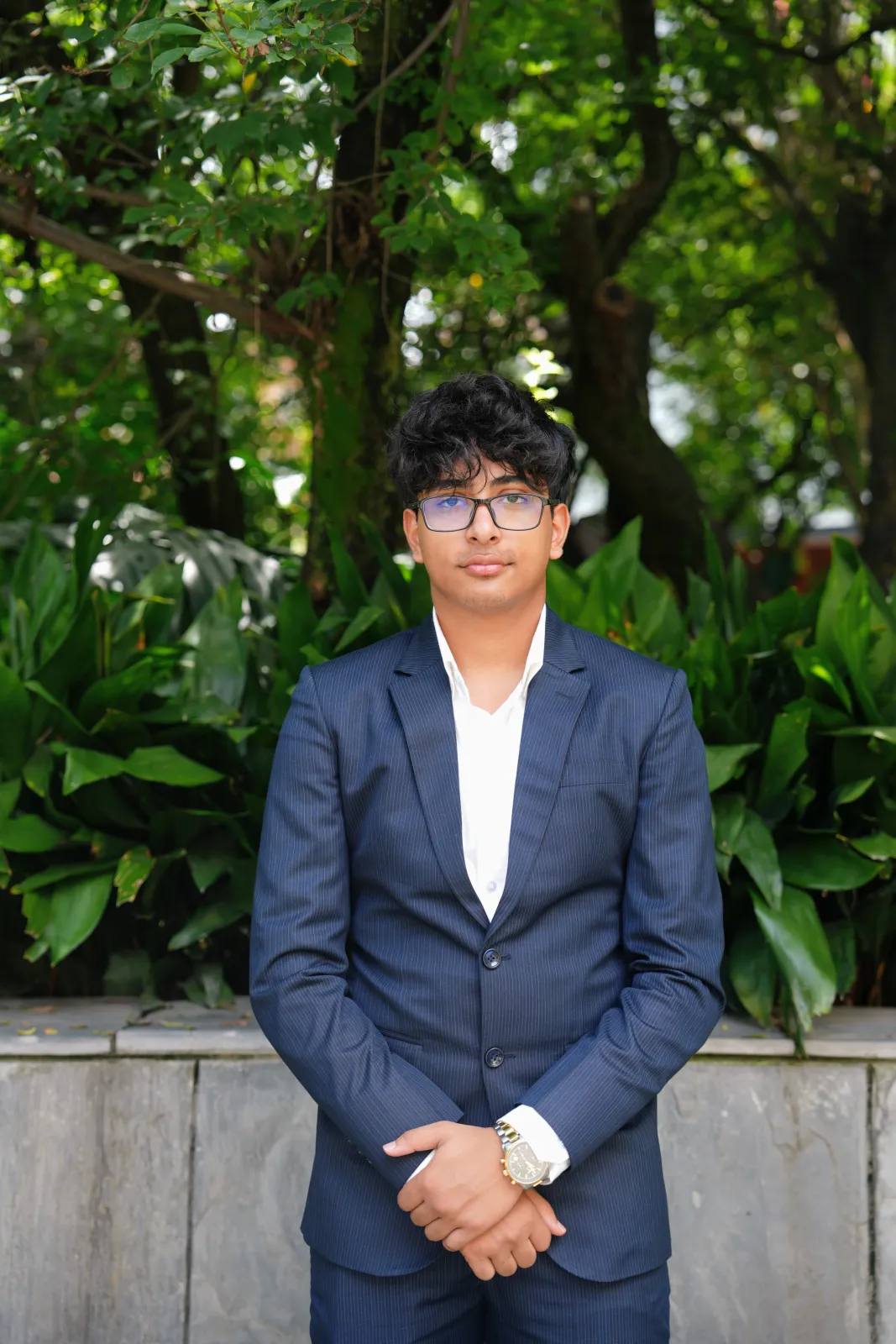
Diwash Poudel
Moderator